
My son is a member of a Scout Troop in Southern California. It’s an old-school kind of troop that does overnight pack trips and events. Their percentage of creating Eagle Scouts is impressive. What else is impressive?
As one of the leaders took the role of leading a merit badge session, he gave out pamphlets to get started. What were the pamphlets? They were little booklets that contained the Declaration of Independence, The Constitution, and the Bill of Rights with the Amendments behind it. This is awesome.
As part of the sessions, the leader runs the kids through the branches of government and their relationships to each other. For those that have forgotten, or for the younger where this may not have been taught.
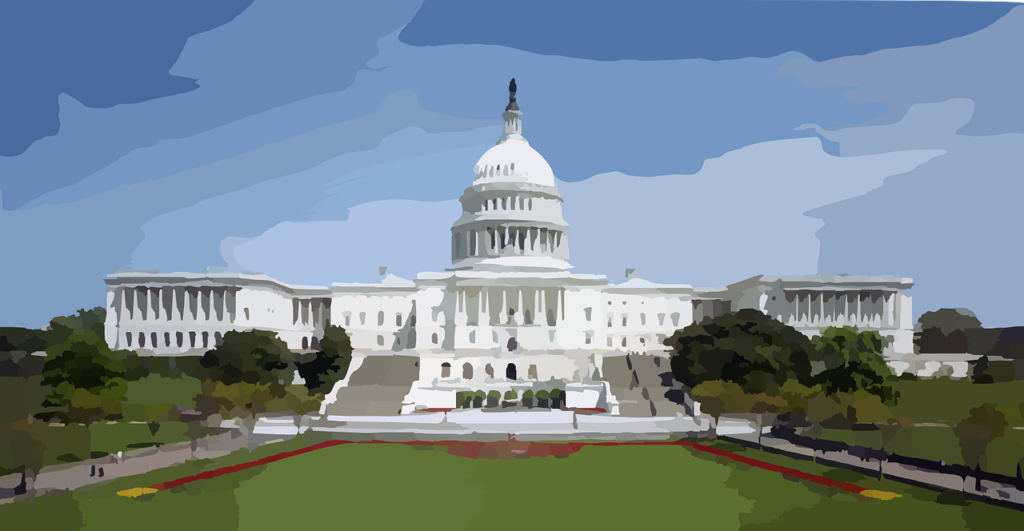
There are Three Main Branches of government in the United States:
- Legislative branch: The legislative branch is responsible for making laws. It is made up of the House of Representatives and the Senate, which together form the United States Congress. The House of Representatives has 435 members, each of whom represents a congressional district. The Senate has 100 members, two from each state.
- Executive branch: The executive branch is responsible for enforcing the laws. It is headed by the President of the United States, who is elected by the people every four years. The President is assisted by the Vice President, the Cabinet, and a number of other officials.
- Judicial branch: The judicial branch is responsible for interpreting the laws. It is headed by the Supreme Court, which is made up of nine justices who are appointed by the President and confirmed by the Senate. The Supreme Court has the power to strike down laws that it finds to be unconstitutional.
These three branches of government are designed to work together to create a system of checks and balances. This system helps to ensure that no one branch of government becomes too powerful.
Here are some additional details about each branch of government:
- Legislative branch: The legislative branch has the power to pass laws, declare war, raise and spend money, and confirm presidential appointments. It also has the power to impeach and remove the President from office.
- Executive branch: The executive branch has the power to enforce the laws, appoint federal judges and other officials, and negotiate treaties with foreign countries. It also has the power to grant pardons and reprieves.
- Judicial branch: The judicial branch has the power to interpret the laws, hear cases, and issue rulings. It also has the power to strike down laws that it finds to be unconstitutional.
The three branches of government are essential to the functioning of the United States government. They help to ensure that the government is fair, just, and accountable to the people.
But What is Included in the Executive Branch?
- The President: The President is the head of the Executive Branch and is responsible for enforcing the laws.
- The Vice President: The Vice President is the second in command of the Executive Branch and is also the President of the Senate.
- The Cabinet: The Cabinet is a group of advisors to the President. The Cabinet is made up of the heads of the 15 executive departments, including the Secretary of State, the Secretary of Defense, and the Attorney General.
The Cabinet is not a formal body, and the President is not required to have a Cabinet. However, every President since George Washington has had a Cabinet. The Cabinet meets regularly to advise the President on a variety of issues. The Cabinet also plays a role in the Presidential line of succession. After the Vice President, the Speaker of the House of Representatives and the President pro tempore of the Senate are next in line. After that, the Cabinet members are in line with the order in which their departments were created.
In addition to the Cabinet, the Executive Branch also includes a number of other officials, including the White House staff, the heads of independent agencies, and the military.
So What are the Agencies?
Well, those would be the FBI, CIA, DOD, DOE, DOT, etc. So while grown adults of voting age are flabbergasted and exhausted trying to figure out why the Congress and Senate are arguing with the CIA and FBI to release their investigations on Joe Biden… it seems many are forgetful of who they are actually working for.
Expecting a real answer from the FBI about the White House is like expecting Mark Zuckerberg to go public with an internal audit of data gathering.
We are seeing what we have allowed to be created. We need to recognize the structure of things and look to options beyond that structure. What we see on TV or YouTube is a casted act where everyone tries to flex their shame and finger-pointing, but still allows corruption to line the pockets of all involved. Millions in exchange for a little shame… and shame that doesn’t seem long-lasting.
Thank You Scouts
I am so thankful that my son benefits from the wisdom and care of these great volunteers within the Scout system. School isn’t driving these facts into our youth anymore and it’s apparent that the masses have forgotten the basics of government. To see the arguing on Social, the grandstanding on TV, and the posturing of our wasted tax dollars in the court system only drives the point that each of these branches seems entrenched in a battle for power… while skipping over the leadership part.